-

Hoskins goes deep, Nola goes 7 solid, Phils beat Pirates
Read more »Hoskins goes deep, Nola goes 7 solid, Phils beat Pirates By Rob Maaddi, The Associated Press Posted: 04/22/18, 5:17 AM EDT | Updated: 2 days ago PHILADELPHIA >> Rhys Hoskins
-
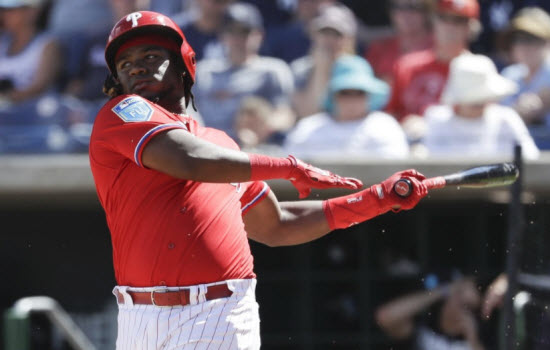
The Phillies have altered Maikel Franco’s batting stance
Read more »by Matt Breen, Staff Writer @matt_breen | mbreen@phillynews.com CLEARWATER, Fla. — Maikel Franco hit his first home run of spring training on Sunday. It was a beautiful shot to left
-
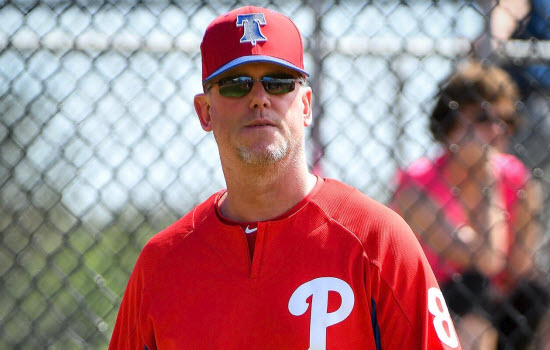
Mallee’s numbers tell story about Phillies’ bats
Read more »Hitting coach uses statistical data to identify, strengthen weaknesses at plate By Todd Zolecki MLB.com @ToddZolecki March 5th, 2018 CLEARWATER, Fla. — Before John Mallee ever stepped into a batting cage with a
-
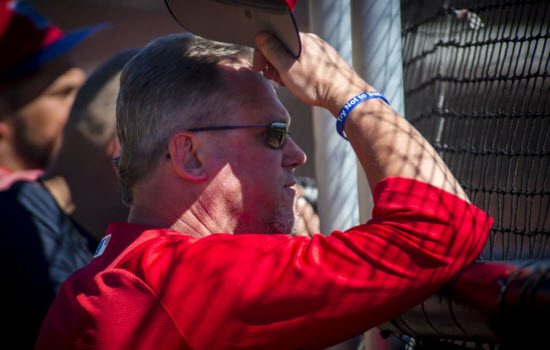
10 Questions with Phillies Hitting Coach John Mallee
Read more »The Athletic By Meghan Montemurro Feb 21, 2018 With a new Phillies coaching staff in place this spring, The Athletic is chatting with each of manager Gabe Kapler’s eight-person field
-
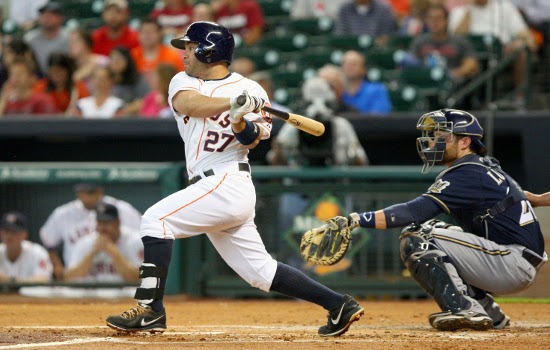
Change in swing has Astros’ Altuve chasing career year
Read more »By Jose de Jesus Ortiz – Jose Altuve leads the major leagues in hits (102) and is second and third in batting average (.336) and stolen bases (26), respectively.
-
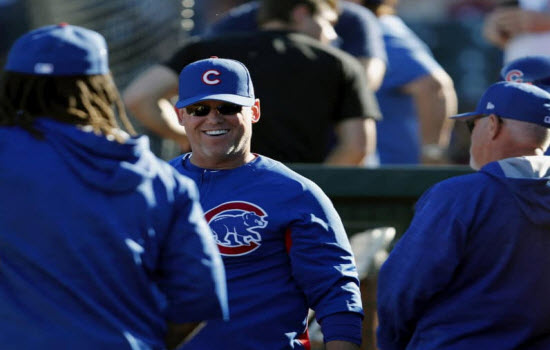
Another rebuild for John Mallee: Areas of focus for Phillies new hitting coach and a look at his tenure with the Cubs
Read more »by Meghan Montemurro Nov 10, 2017 Another rebuild for John Mallee: Areas of focus for Phillies new hitting coach and a look at his tenure with the Cubs The
-
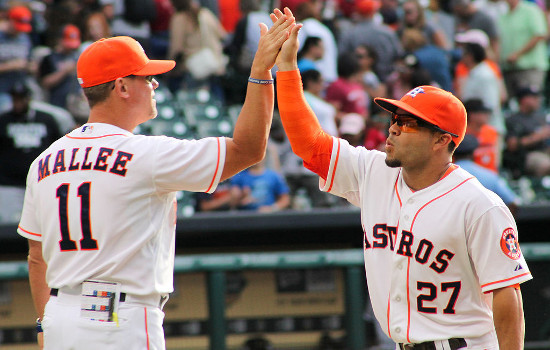
John Mallee Sports Illustrated, How does your swing stack up against the pros’?
Read more »By Tim Newcomb – Sports Illustrated Edge The Angels’ Mike Trout has a sweet swing. Maybe you admire Red Sox DH David Ortiz’s a little more, though.
-
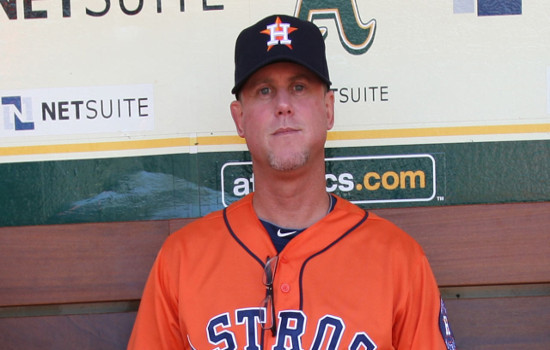
Hitting Coach John Mallee Talked Philosophy, Approach and Working with his new Major League hitters
Read more »October 14, 2014 1:30 pm By Neil- While the job of a Major League hitting coach is often overstated, the front office realizes the importance of making the right hire
-
John Mallee hired Major League hitting coach in Hometown
Read more »By Mark Gonzales PHOENIX — John Mallee is delighted to be returning to Chicago, and his homecoming can be even sweeter if he can connect with a group of young, strikeout-prone
-

Altuve’s outstanding season a product of yearlong adjustments
Read more »By Brian McTaggart / MLB.com ARLINGTON — A routine trip to the ballpark earlier this season sent Astros hitting coach John Mallee on an alternate route because of construction.
Register Now! John Mallee’s PRO COACHES CLINIC
Event: PRO COACHES CLINIC
Date: November 23-24, 2019
Location: University of Illinois at Chicago
839 W. Roosevelt Rd.
Chicago, Ill. 60608
For more information go to:
THE SCIENCE BEHIND HITTING
Hitting a Major league fastball is quite possibly the single most difficult skill to execute in all of sports. In fact it is so difficult, that succeeding just 3 out of 10 times is considered to be excellent.
To put things into perspective, a blink of an eye takes 400 milliseconds. A 95 MPH fastball reaches home plate in 395 milliseconds. The batter must start his swing with the ball still 25 ft. from the plate or it will be too late. In the last 15 ft., the brain and eye cannot work together fast enough, making the ball invisible to the hitter. The moment of contact when a bat strikes a ball lasts just 1/1,000th of a second. The diameter of the baseball and the bat are both a little less than 3 inches.
THE FOUNDATION OF A SUCCESSFUL HITTER
A NEW ERA OF HITTING INSTRUCTION AND TRAINING
Today’s technology now provides us with the tools to analyze, measure, and diagnose a hitter’s swing mechanics. This information can be used to put together a personalized training plan that targets and helps correct a hitters mechanical issues.
With 20 years as a professional coach (Astros, Brewers, Blue Jays, Cubs, Expos, and Marlins), I have spent thousands of hours reviewing the swings of Minor and Major League players to help them develop and refine their mechanics. Regardless of their hitting style, I have discovered through slow motion video analysis that all successful hitters follow what I call “the 6 Absolutes”.
My hitting DVD’s will teach you “the 6 Absolutes” and provide you with the most comprehensive collection of hitting drills that I use with Major league hitters. We also provide personalized hitting analysis services. Just go to our Video analysis page to up load your video.
Additionally I have partnered with ZEPP Labs baseball to help you measure the most important aspects of your swing with their 3D Baseball Swing Analyzer application and sensor. ~ John Mallee